Servant Leadership Styles in Rap Music: Empowering Artists and Inspiring Change
Category : | Sub Category : Posted on 2024-04-30 21:24:53
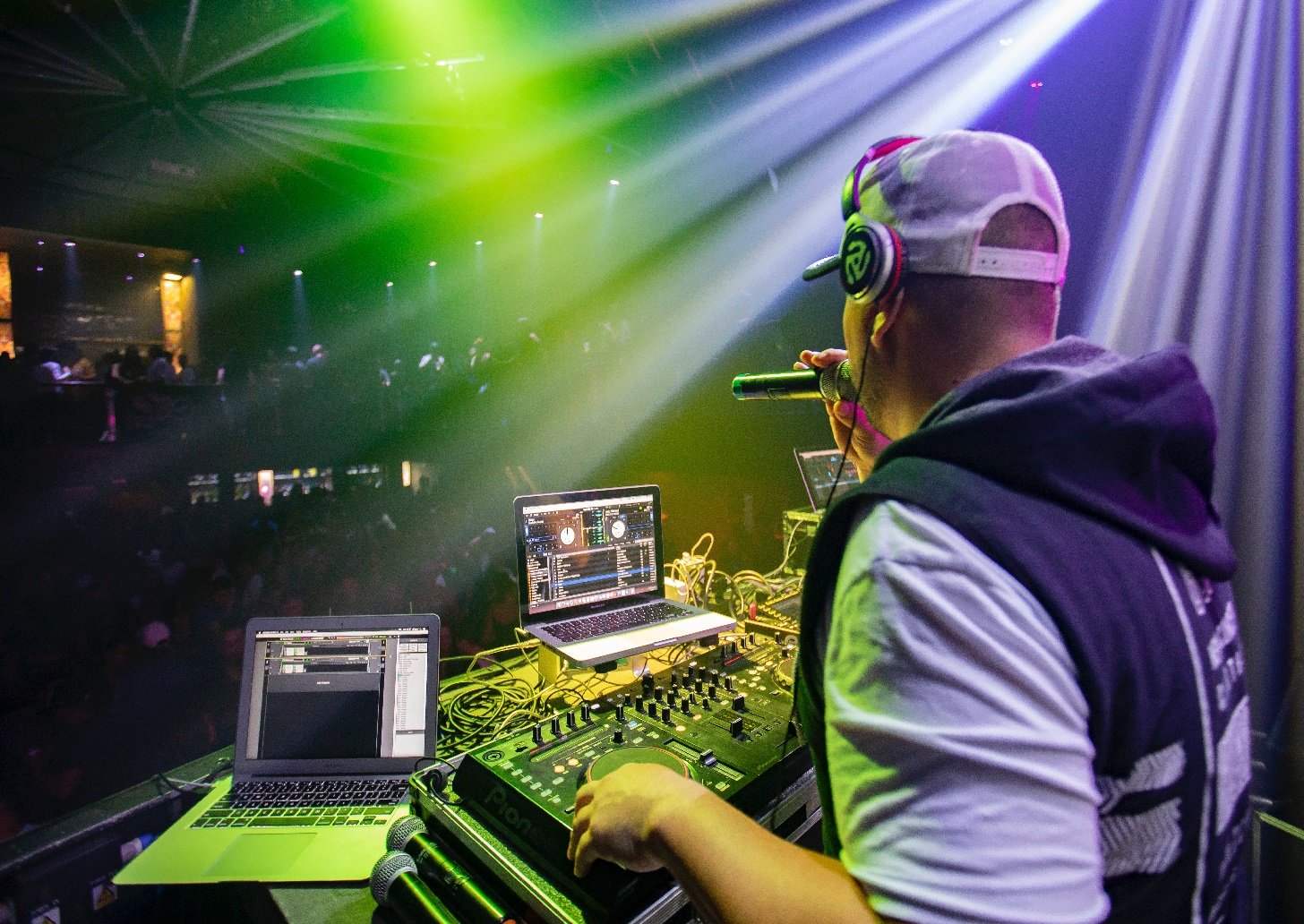
Introduction: Influential and thought-provoking, rap Music has carved a significant place in modern culture. Beyond its rhythmic beats and clever wordplay, rap music has become a platform for artists to express themselves and raise social awareness. Within this realm, certain rap artists have exemplified servant leadership styles, using their influence to empower others and initiate positive change. In this blog post, we will explore how servant leadership is embodied in rap music and the impact it has on artists, their communities, and society as a whole.
1. Definition of Servant Leadership: To begin, let's establish a clear understanding of what servant leadership entails. Servant leadership is a leadership philosophy that prioritizes service to others rather than personal gain. It emphasizes empathy, humility, and the empowerment of those being served. It revolves around the idea that leaders are there to support and uplift others, leading by example and putting the needs of others before their own.
2. Rap Music as a Catalyst for Change: Rap music has long been recognized for its ability to foster social change and challenge the status quo. Many rap artists use their platform to shed light on societal issues such as systemic racism, inequality, and poverty. By incorporating servant leadership principles into their music, these artists go beyond self-expression and become advocates for their communities. They aim to inspire and empower their listeners to take action and be agents of change.
3. Empowering Others through Rap Music: Servant leadership in rap music is evident through the artist's dedication to uplifting others. Whether it's highlighting the struggles and triumphs of marginalized communities or addressing personal growth and resilience, rap artists often craft lyrics that resonate with their audience. By sharing their own experiences and vulnerabilities, they create a relatable connection, fostering a sense of empowerment and unity among listeners.
4. Collaboration and Mentorship in Rap Music: Servant leaders in rap music often extend their influence beyond their music by collaborating with other artists and mentoring emerging talent. Through collaborations, seasoned rap artists provide opportunities for rising stars to showcase their skills and gain exposure. This acts as a catalyst for growth, nurturing and empowering the next generation of rap artists. Additionally, mentoring programs and initiatives take place, where established artists offer guidance and support, imparting valuable skills and knowledge to aspiring rappers.
5. Community Engagement and Philanthropy: Servant leadership is not limited to the artistic realm; rap artists also engage in community initiatives and philanthropy to address social issues. Through volunteering, donating funds, or even starting their own foundations, these artists invest in creating sustainable change and upliftment within their communities. By actively engaging and collaborating with community members, they inspire others to get involved and make a difference, fostering a sense of collective responsibility for social well-being.
Conclusion: Servant leadership styles in rap music demonstrate the enormous potential for artists to inspire change and empower others. In addressing societal issues, nurturing talent, and engaging in philanthropic efforts, rap artists serve as catalysts for positive transformation. They use their platform to advocate for the underrepresented, and in doing so, inspire listeners to become active participants in making a difference. Rap music exemplifies how servant leadership is not confined to traditional leadership roles but can be embraced in various forms, guiding artists towards impacting society with their music and actions. to Get more information at http://www.mimidate.com
If you're interested in this topic, I suggest reading http://www.keralachessyoutubers.com
To understand this better, read http://www.cotidiano.org
also for More in http://www.topico.net
Leave a Comment:
SEARCH
Recent News
- Zurich, Switzerland is a vibrant city known for its rich cultural scene and diverse music offerings. One unique aspect of Zurich's music scene is the presence of Sudanese music, which has found a home in the city's melting pot of cultures.
- Visiting Zurich, Switzerland, can be an enriching experience for music lovers from all corners of the world. While the city may not be the first place that comes to mind when thinking about South African music, Zurich's diverse music scene offers a glimpse into the vibrant sounds of this African nation.
- Zurich, Switzerland is a vibrant city known for its stunning architecture, picturesque landscapes, and rich culture. One aspect of Zurich's cultural scene that often goes under the radar is its regional music. The city and its surrounding areas are home to a diverse range of musical styles, reflecting the multiculturalism and artistic diversity of the region.
- Zurich, Switzerland: Discovering the Vibrant Norwegian Music Scene
- Zurich, Switzerland: A Hub for Estonian Music
- YouTube Content Creation and Translation: Bringing Sudanese Music to a Global Audience
- YouTube has become a powerful platform for content creators to share their work with a global audience. One area that has seen significant growth in recent years is the creation and translation of South African music content on the platform. South Africa has a rich and diverse musical landscape, ranging from traditional to modern genres, and YouTube has provided a space for South African artists to showcase their talent to the world.
- YouTube has become a popular platform for content creators to showcase their talents to a global audience. One area of YouTube content creation that has been gaining traction is regional music. With the ability to reach viewers all around the world, YouTube offers a unique opportunity for musicians and artists to share their culture and music with a diverse audience.
READ MORE
10 months ago Category :

Zurich, Switzerland is a vibrant city known for its rich cultural scene and diverse music offerings. One unique aspect of Zurich's music scene is the presence of Sudanese music, which has found a home in the city's melting pot of cultures.
Read More →10 months ago Category :

Visiting Zurich, Switzerland, can be an enriching experience for music lovers from all corners of the world. While the city may not be the first place that comes to mind when thinking about South African music, Zurich's diverse music scene offers a glimpse into the vibrant sounds of this African nation.
Read More →10 months ago Category :

Zurich, Switzerland is a vibrant city known for its stunning architecture, picturesque landscapes, and rich culture. One aspect of Zurich's cultural scene that often goes under the radar is its regional music. The city and its surrounding areas are home to a diverse range of musical styles, reflecting the multiculturalism and artistic diversity of the region.
Read More →10 months ago Category :
