Exploring the Intersection of Rap Music, Secularism, and Religion
Category : | Sub Category : Posted on 2024-04-30 21:24:53
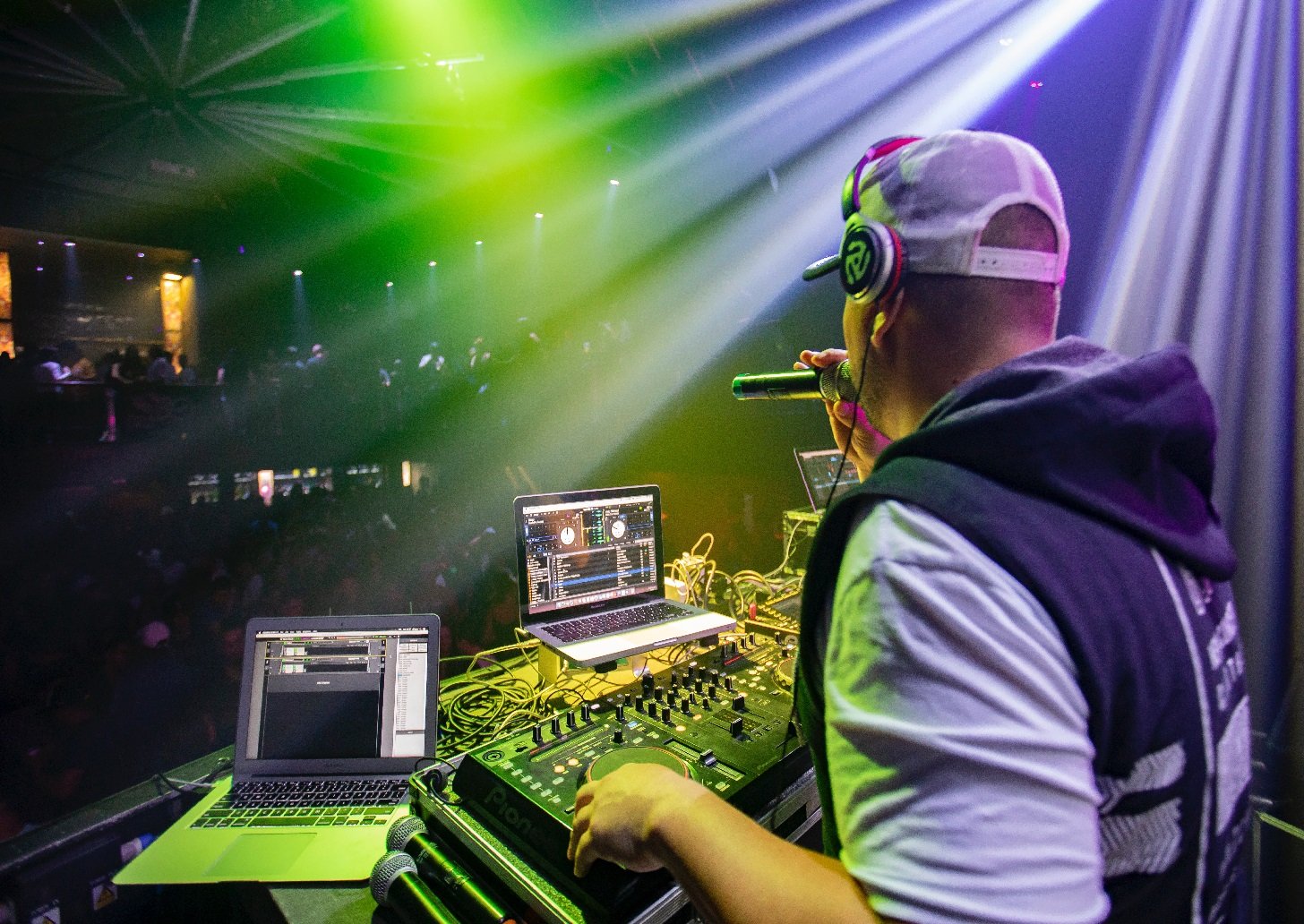
Introduction: Rap Music has always been a platform for self-expression and addressing social issues, and one of the most fascinating areas of exploration within this genre is the clash between secularism and religion. In this blog post, we delve into the powerful ways in which rap music incorporates both secular and religious themes, while challenging traditional beliefs and norms.
Rap Music as a Vehicle for Free Expression: Rap music has often been associated with controversial and provocative lyrics, pushing the boundaries of societal norms. It provides artists with a platform to discuss their views on religion, faith, and skepticism. Secular rap artists thrive in this space, openly questioning the role of religion in society, exploring humanism, and advocating for critical thinking. Through their art, they challenge religious dogmas and the influence of organized religion on personal beliefs and societal norms.
Religious Themes in Rap Music: While rap music is known for its secular and often anti-establishment nature, it also embraces religious themes in various ways. Many rap artists have deeply religious backgrounds and draw inspiration from their faith when crafting their art. From references to biblical stories to exploring the struggles and resilience of faith, religious aspects find their way into rap lyrics. These religious themes might not always align with traditional religious teachings, but they provide a space for artists to explore spirituality and their personal relationships with religion.
Confronting Faith and Doubt in Rap Music: Rap music is an avenue for artists to address their personal beliefs, sometimes expressing doubt and wrestling with faith. Many artists have used their music as a platform to recount their spiritual journeys, questioning the existence of a higher power or recounting their struggles with organized religion. By sharing their personal experiences, these artists foster conversations about the delicate balance between faith and doubt in today's society, resonating with listeners who might be grappling with similar questions.
Social Critique and Criticism: Rap music has a long history of being an instrument for social critique, addressing issues like corruption, inequality, and hypocrisy. When it comes to religion, rap artists often highlight the negative aspects associated with religious institutions, such as the misuse of power, hypocrisy, and judgmental attitudes. By critiquing religious norms and behaviors, rap music challenges listeners to critically examine their beliefs and the role of religion in shaping society.
Unifying Through Music: Despite the apparent clash between secularism and religion in rap music, there are instances where the two coexist and even converge. Some rap artists aim to bridge the gap between different belief systems and create a space for unity. They use their music to emphasize shared values, promote understanding, and break down religious barriers. Through their lyrics, these artists encourage listeners of diverse religious backgrounds to find common ground and foster dialogue.
Conclusion: Rap music serves as a powerful vehicle for artists to navigate the complex relationship between secularism and religion. Whether it's challenging the status quo, expressing personal spiritual journeys, critiquing religious establishments, or promoting unity, rap music provides an outlet for artists to engage with these intricate themes. By exploring the intersection of rap music, secularism, and religion, we open up conversations that are vital for fostering empathy, understanding, and a deeper engagement with belief systems in our society. Also Check the following website http://www.mimidate.com
Dropy by for a visit at http://www.keralachessyoutubers.com
also click the following link for more http://www.cotidiano.org
Discover more about this topic through http://www.topico.net
Leave a Comment:
SEARCH
Recent News
- Zurich, Switzerland is a vibrant city known for its rich cultural scene and diverse music offerings. One unique aspect of Zurich's music scene is the presence of Sudanese music, which has found a home in the city's melting pot of cultures.
- Visiting Zurich, Switzerland, can be an enriching experience for music lovers from all corners of the world. While the city may not be the first place that comes to mind when thinking about South African music, Zurich's diverse music scene offers a glimpse into the vibrant sounds of this African nation.
- Zurich, Switzerland is a vibrant city known for its stunning architecture, picturesque landscapes, and rich culture. One aspect of Zurich's cultural scene that often goes under the radar is its regional music. The city and its surrounding areas are home to a diverse range of musical styles, reflecting the multiculturalism and artistic diversity of the region.
- Zurich, Switzerland: Discovering the Vibrant Norwegian Music Scene
- Zurich, Switzerland: A Hub for Estonian Music
- YouTube Content Creation and Translation: Bringing Sudanese Music to a Global Audience
- YouTube has become a powerful platform for content creators to share their work with a global audience. One area that has seen significant growth in recent years is the creation and translation of South African music content on the platform. South Africa has a rich and diverse musical landscape, ranging from traditional to modern genres, and YouTube has provided a space for South African artists to showcase their talent to the world.
- YouTube has become a popular platform for content creators to showcase their talents to a global audience. One area of YouTube content creation that has been gaining traction is regional music. With the ability to reach viewers all around the world, YouTube offers a unique opportunity for musicians and artists to share their culture and music with a diverse audience.
READ MORE
10 months ago Category :

Zurich, Switzerland is a vibrant city known for its rich cultural scene and diverse music offerings. One unique aspect of Zurich's music scene is the presence of Sudanese music, which has found a home in the city's melting pot of cultures.
Read More →10 months ago Category :

Visiting Zurich, Switzerland, can be an enriching experience for music lovers from all corners of the world. While the city may not be the first place that comes to mind when thinking about South African music, Zurich's diverse music scene offers a glimpse into the vibrant sounds of this African nation.
Read More →10 months ago Category :

Zurich, Switzerland is a vibrant city known for its stunning architecture, picturesque landscapes, and rich culture. One aspect of Zurich's cultural scene that often goes under the radar is its regional music. The city and its surrounding areas are home to a diverse range of musical styles, reflecting the multiculturalism and artistic diversity of the region.
Read More →10 months ago Category :
