Unmasking Rap Music's Political Bias
Category : | Sub Category : Posted on 2024-04-30 21:24:53
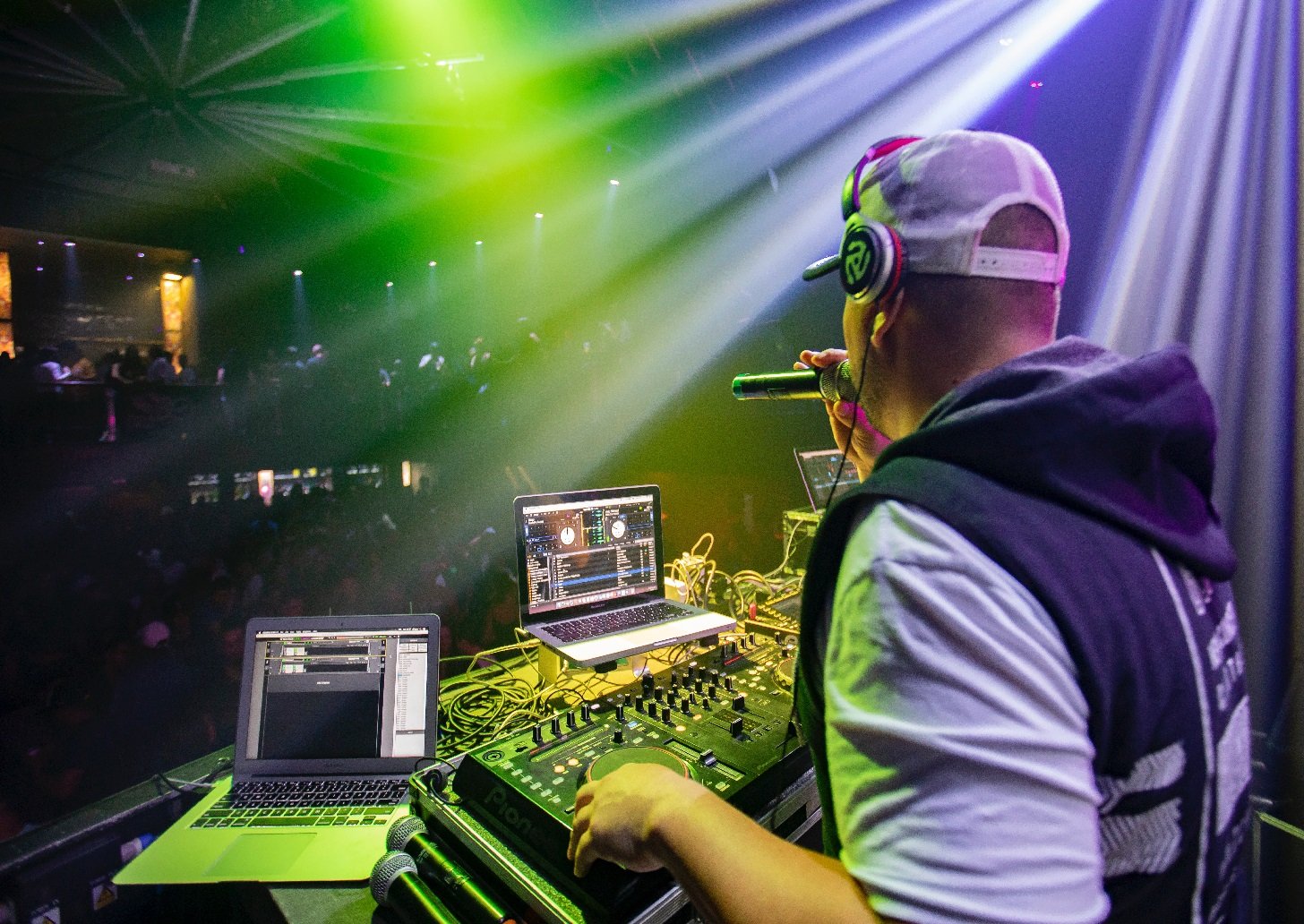
Introduction:
Rap music has always been known for its raw and unfiltered expression of social and political issues. From its roots in the Bronx during the 1970s to its global influence today, rap music has consistently served as a platform for marginalized voices to be heard. However, just like any other form of art, rap music can also be influenced by political biases. In this blog post, we will explore the concept of political bias within rap music and shed light on its impact on the genre and its listeners.
1. The Connection Between Rap and Politics:
Rap music has a long-standing tradition of reflecting the realities of the communities from which it originates. Whether it's addressing police brutality, systemic racism, or economic inequality, rap artists have often used their platform to shed light on pressing political issues. Notable artists like Public Enemy, N.W.A., and Kendrick Lamar have become synonymous with rapping about political topics and advocating for social change.
2. Political Bias in Rap Lyrics:
While rap music strives to be a voice for the voiceless, it is essential to acknowledge that artists, just like any individual, have their own political biases. These biases can be reflected in their lyrics, as artists often use their words to express personal experiences, frustrations, and desires for societal change. For example, some artists may lean towards left-leaning ideologies, focusing on issues such as racial justice and income inequality, while others may offer a different perspective by critiquing government policies or advocating for conservative values.
3. Influence on Fan Base:
The political biases present in rap music can impact the genre's fan base in various ways. Some listeners may resonate deeply with the political messages conveyed by their favorite artists, providing a sense of connection and validation. This can lead to increased political awareness and activism among fans who may incorporate the ideas presented in rap music into their own beliefs and actions.
On the other hand, it is also crucial to recognize that the presence of political bias in rap music can potentially create divisions among fans. Those who do not align with the artist's political stance may feel alienated or disinterested, leading to a narrowing of perspectives within the fan base.
4. Evolving Nature of Rap and Politics:
Just as political landscapes change, rap music also evolves to reflect these shifts. While some artists have maintained a consistent political stance throughout their careers, others may modify their views or adapt their messaging to address new challenges faced by society. The ever-changing nature of rap music ensures that it remains relevant and continues to influence political discourse.
Conclusion:
Rap music serves as a powerful tool for expressing social and political issues, with artists often using their lyrics to highlight injustices and advocate for change. However, it is essential to understand that rap music, like any other art form, can be influenced by political biases. Acknowledging and appreciating diverse perspectives within the genre can contribute to a more inclusive and informed understanding of rap music's impact on society. By engaging with the political biases inherent in rap music, we can shed light on important societal issues and empower listeners to think critically about the messages conveyed by their favorite artists. Looking for more information? Check out http://www.keralachessyoutubers.com
You can also check following website for more information about this subject: http://www.cotidiano.org
Get a well-rounded perspective with http://www.topico.net
Leave a Comment:
SEARCH
Recent News
- Zurich, Switzerland is a vibrant city known for its rich cultural scene and diverse music offerings. One unique aspect of Zurich's music scene is the presence of Sudanese music, which has found a home in the city's melting pot of cultures.
- Visiting Zurich, Switzerland, can be an enriching experience for music lovers from all corners of the world. While the city may not be the first place that comes to mind when thinking about South African music, Zurich's diverse music scene offers a glimpse into the vibrant sounds of this African nation.
- Zurich, Switzerland is a vibrant city known for its stunning architecture, picturesque landscapes, and rich culture. One aspect of Zurich's cultural scene that often goes under the radar is its regional music. The city and its surrounding areas are home to a diverse range of musical styles, reflecting the multiculturalism and artistic diversity of the region.
- Zurich, Switzerland: Discovering the Vibrant Norwegian Music Scene
- Zurich, Switzerland: A Hub for Estonian Music
- YouTube Content Creation and Translation: Bringing Sudanese Music to a Global Audience
- YouTube has become a powerful platform for content creators to share their work with a global audience. One area that has seen significant growth in recent years is the creation and translation of South African music content on the platform. South Africa has a rich and diverse musical landscape, ranging from traditional to modern genres, and YouTube has provided a space for South African artists to showcase their talent to the world.
- YouTube has become a popular platform for content creators to showcase their talents to a global audience. One area of YouTube content creation that has been gaining traction is regional music. With the ability to reach viewers all around the world, YouTube offers a unique opportunity for musicians and artists to share their culture and music with a diverse audience.
READ MORE
10 months ago Category :

Zurich, Switzerland is a vibrant city known for its rich cultural scene and diverse music offerings. One unique aspect of Zurich's music scene is the presence of Sudanese music, which has found a home in the city's melting pot of cultures.
Read More →10 months ago Category :

Visiting Zurich, Switzerland, can be an enriching experience for music lovers from all corners of the world. While the city may not be the first place that comes to mind when thinking about South African music, Zurich's diverse music scene offers a glimpse into the vibrant sounds of this African nation.
Read More →10 months ago Category :

Zurich, Switzerland is a vibrant city known for its stunning architecture, picturesque landscapes, and rich culture. One aspect of Zurich's cultural scene that often goes under the radar is its regional music. The city and its surrounding areas are home to a diverse range of musical styles, reflecting the multiculturalism and artistic diversity of the region.
Read More →10 months ago Category :
