Rap Music as an Agent of Peace and Reconciliation
Category : | Sub Category : Posted on 2024-04-30 21:24:53
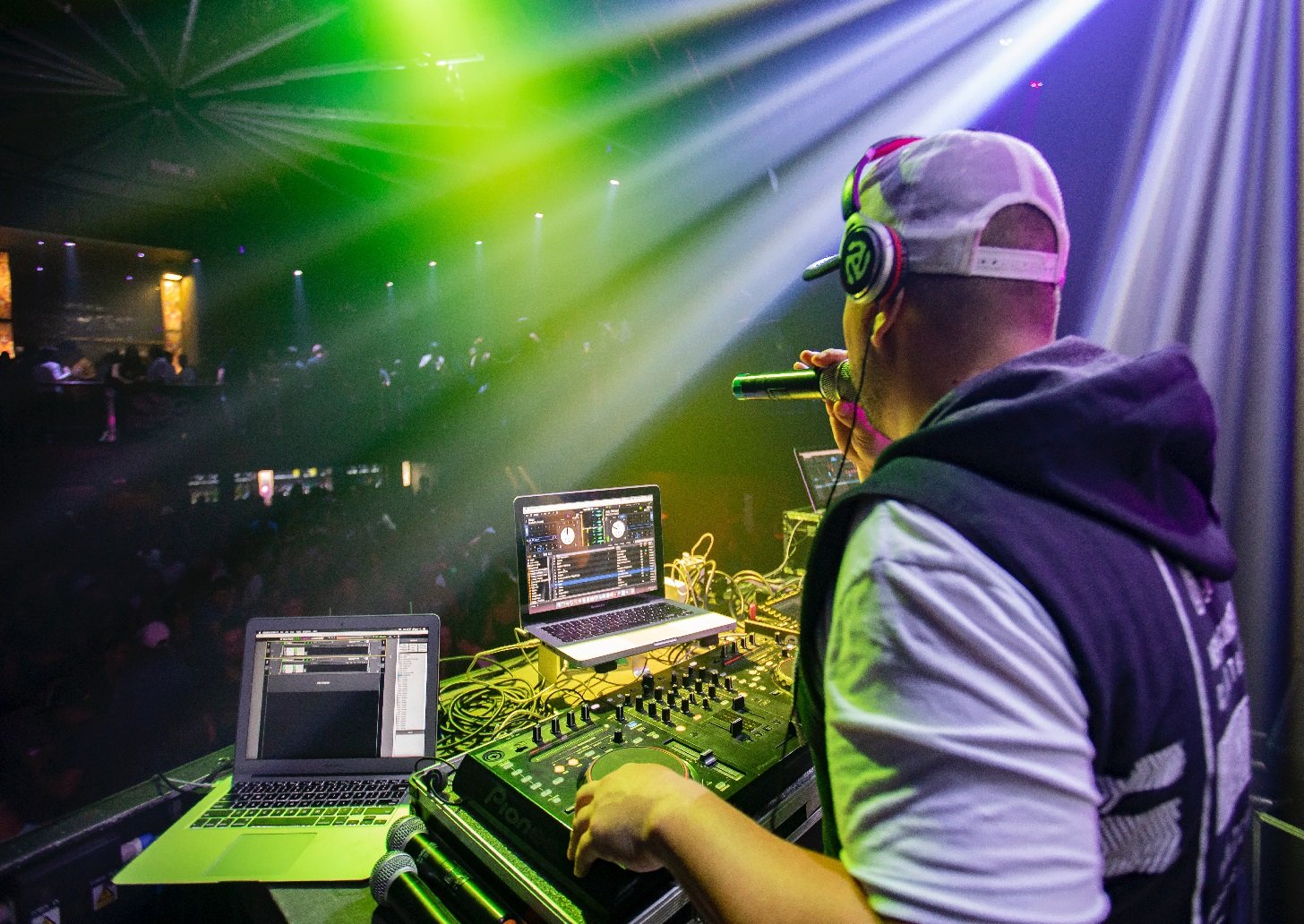
Introduction: Rap music, often associated with its explicit lyrics and controversial themes, may seem like an unlikely tool for spreading peace and fostering reconciliation. However, upon closer inspection, it becomes evident that rap music has the power to bring people together, create understanding, and address social issues that can ultimately contribute to peace and reconciliation efforts. In this blog post, we will explore how rap music can be a potent medium for promoting unity, bridging divides, and inspiring positive change in our communities.
1. Empathy and Understanding: Rap music often serves as a platform for artists to express their lived experiences, highlighting social injustices and inequality. By sharing their personal narratives, rappers can foster empathy and understanding among listeners who may not have experienced these issues firsthand. The power of storytelling in rap provides an opportunity for individuals from different backgrounds to connect and stand in solidarity with one another, breaking down barriers and working towards reconciliation.
2. Promoting Dialogue and Discourse: Rap music acts as a catalyst for critical conversations about societal issues, including violence, discrimination, and marginalization. Through thought-provoking lyrics, rap artists raise awareness about these pressing concerns, prompting listeners to engage in dialogue and reflect on their own biases. This exchange of ideas can lead to a deeper understanding of the root causes of conflicts and contribute to reconciliation by encouraging open and honest conversations within communities.
3. Educating and Empowering: Rap music has the ability to educate and empower individuals, especially the younger generation, by offering alternative perspectives and historical narratives often left untold. By shedding light on forgotten stories or experiences of oppression and resistance, rap artists can challenge conventional wisdom and inspire listeners to strive for a more inclusive and just society. This empowerment, in turn, can motivate individuals to actively work towards peace and reconciliation in their own communities.
4. Bridging Divides: Rap music has the unique capability to bridge cultural, racial, and socioeconomic divides. Many successful rappers have emerged from marginalized communities, and their music serves as a unifying force, transcending traditional boundaries. When people from different backgrounds come together to appreciate and engage with rap music, it can serve as a starting point for greater understanding and shared experiences. This sense of unity and connection can foster collaborations and collective action in promoting peace and reconciliation.
5. Inspiring Positive Change: Some rap artists actively engage in peace and reconciliation efforts, both through their music and their activism. They use their platform to organize concerts, fundraisers, and social campaigns aimed at addressing social issues and promoting positive change. By leveraging their influence, these artists become ambassadors for peace, encouraging fans and listeners to get involved in their communities and contribute to reconciliation efforts.
Conclusion: Rap music, often criticized for its explicit content, possesses immense potential to contribute to peace and reconciliation efforts. By promoting empathy, fostering dialogue, empowering individuals, bridging divides, and inspiring positive change, rap music can play a significant role in creating understanding and unity among diverse communities. It is crucial that we recognize and appreciate the transformative power of rap music, harnessing its ability to drive social change and work towards a more peaceful and reconciled world. also don't miss more information at http://www.albumd.com
also this link is for more information http://www.mimidate.com
Want to learn more? Start with: http://www.keralachessyoutubers.com
Get a comprehensive view with http://www.cotidiano.org
To understand this better, read http://www.topico.net
Leave a Comment:
SEARCH
Recent News
- Zurich, Switzerland is a vibrant city known for its rich cultural scene and diverse music offerings. One unique aspect of Zurich's music scene is the presence of Sudanese music, which has found a home in the city's melting pot of cultures.
- Visiting Zurich, Switzerland, can be an enriching experience for music lovers from all corners of the world. While the city may not be the first place that comes to mind when thinking about South African music, Zurich's diverse music scene offers a glimpse into the vibrant sounds of this African nation.
- Zurich, Switzerland is a vibrant city known for its stunning architecture, picturesque landscapes, and rich culture. One aspect of Zurich's cultural scene that often goes under the radar is its regional music. The city and its surrounding areas are home to a diverse range of musical styles, reflecting the multiculturalism and artistic diversity of the region.
- Zurich, Switzerland: Discovering the Vibrant Norwegian Music Scene
- Zurich, Switzerland: A Hub for Estonian Music
- YouTube Content Creation and Translation: Bringing Sudanese Music to a Global Audience
- YouTube has become a powerful platform for content creators to share their work with a global audience. One area that has seen significant growth in recent years is the creation and translation of South African music content on the platform. South Africa has a rich and diverse musical landscape, ranging from traditional to modern genres, and YouTube has provided a space for South African artists to showcase their talent to the world.
- YouTube has become a popular platform for content creators to showcase their talents to a global audience. One area of YouTube content creation that has been gaining traction is regional music. With the ability to reach viewers all around the world, YouTube offers a unique opportunity for musicians and artists to share their culture and music with a diverse audience.
READ MORE
10 months ago Category :

Zurich, Switzerland is a vibrant city known for its rich cultural scene and diverse music offerings. One unique aspect of Zurich's music scene is the presence of Sudanese music, which has found a home in the city's melting pot of cultures.
Read More →10 months ago Category :

Visiting Zurich, Switzerland, can be an enriching experience for music lovers from all corners of the world. While the city may not be the first place that comes to mind when thinking about South African music, Zurich's diverse music scene offers a glimpse into the vibrant sounds of this African nation.
Read More →10 months ago Category :

Zurich, Switzerland is a vibrant city known for its stunning architecture, picturesque landscapes, and rich culture. One aspect of Zurich's cultural scene that often goes under the radar is its regional music. The city and its surrounding areas are home to a diverse range of musical styles, reflecting the multiculturalism and artistic diversity of the region.
Read More →10 months ago Category :
