Navigating DIY Home Recording in the World of Rap Music: Understanding Law and Regulations
Category : | Sub Category : Posted on 2024-10-05 22:25:23
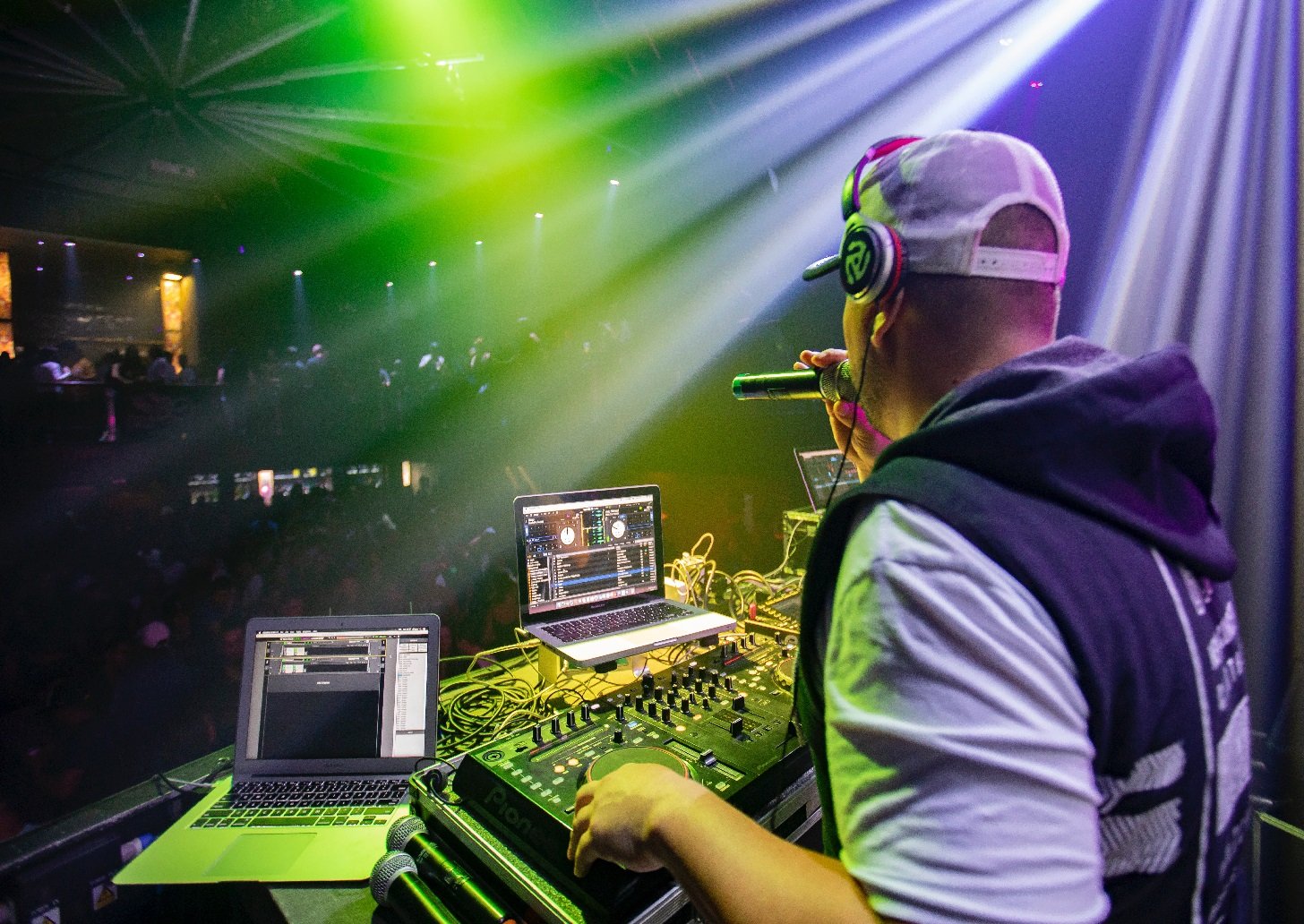
In the digital age, many aspiring rap artists are turning to DIY home recording as a cost-effective and convenient way to create music. However, when delving into the world of rap music production from the comfort of your own home, it's essential to understand the legal implications and regulations that come with it. In this blog post, we will explore how you can navigate the complex landscape of DIY home rap music recording while ensuring compliance with the law. Copyright laws play a significant role in the music industry, especially when it comes to sampling and using beats in rap music. If you are sampling a piece of music created by someone else, you must obtain permission from the copyright holder before using it in your own work. Failure to do so can result in legal consequences, such as being sued for copyright infringement. To avoid legal issues related to sampling, many DIY rap artists choose to create their beats using digital audio workstations (DAWs) and virtual instruments. By producing original music, you can avoid the need to obtain permission from other copyright holders and maintain control over your creative output. When releasing your rap music online, it's essential to familiarize yourself with the laws and regulations that govern digital music distribution. Platforms like Spotify, Apple Music, and SoundCloud have their own terms of service that you must comply with when uploading your music. Additionally, you should consider registering your songs with a performing rights organization (PRO) to ensure that you receive royalties for your work. Beyond copyright and distribution, there are other legal considerations to keep in mind when recording rap music at home. For example, if you plan to sell your music or merchandise, you may need to obtain a business license and pay taxes on your income. It's also crucial to understand the laws surrounding contracts and licensing agreements, especially if you collaborate with other artists or producers. In conclusion, DIY home recording has opened up a world of opportunities for rap artists to create and share their music independently. However, it's essential to prioritize legal compliance and understand the regulations that govern the music industry. By staying informed and proactive, you can protect your rights as a DIY rap artist and build a successful music career from the comfort of your own home. For a closer look, don't forget to read https://www.mimidate.com also this link is for more information https://www.keralachessyoutubers.com Seeking expert advice? Find it in https://www.cotidiano.org To delve deeper into this subject, consider these articles: https://www.topico.net Looking for more information? Check out https://www.tknl.org
https://vollmacht.org
Leave a Comment:
SEARCH
Recent News
- Zurich, Switzerland is a vibrant city known for its rich cultural scene and diverse music offerings. One unique aspect of Zurich's music scene is the presence of Sudanese music, which has found a home in the city's melting pot of cultures.
- Visiting Zurich, Switzerland, can be an enriching experience for music lovers from all corners of the world. While the city may not be the first place that comes to mind when thinking about South African music, Zurich's diverse music scene offers a glimpse into the vibrant sounds of this African nation.
- Zurich, Switzerland is a vibrant city known for its stunning architecture, picturesque landscapes, and rich culture. One aspect of Zurich's cultural scene that often goes under the radar is its regional music. The city and its surrounding areas are home to a diverse range of musical styles, reflecting the multiculturalism and artistic diversity of the region.
- Zurich, Switzerland: Discovering the Vibrant Norwegian Music Scene
- Zurich, Switzerland: A Hub for Estonian Music
- YouTube Content Creation and Translation: Bringing Sudanese Music to a Global Audience
- YouTube has become a powerful platform for content creators to share their work with a global audience. One area that has seen significant growth in recent years is the creation and translation of South African music content on the platform. South Africa has a rich and diverse musical landscape, ranging from traditional to modern genres, and YouTube has provided a space for South African artists to showcase their talent to the world.
- YouTube has become a popular platform for content creators to showcase their talents to a global audience. One area of YouTube content creation that has been gaining traction is regional music. With the ability to reach viewers all around the world, YouTube offers a unique opportunity for musicians and artists to share their culture and music with a diverse audience.
READ MORE
3 months ago Category :

Zurich, Switzerland is a vibrant city known for its rich cultural scene and diverse music offerings. One unique aspect of Zurich's music scene is the presence of Sudanese music, which has found a home in the city's melting pot of cultures.
Read More →3 months ago Category :

Visiting Zurich, Switzerland, can be an enriching experience for music lovers from all corners of the world. While the city may not be the first place that comes to mind when thinking about South African music, Zurich's diverse music scene offers a glimpse into the vibrant sounds of this African nation.
Read More →3 months ago Category :

Zurich, Switzerland is a vibrant city known for its stunning architecture, picturesque landscapes, and rich culture. One aspect of Zurich's cultural scene that often goes under the radar is its regional music. The city and its surrounding areas are home to a diverse range of musical styles, reflecting the multiculturalism and artistic diversity of the region.
Read More →3 months ago Category :
