Exploring Data Privacy Concerns in AI-generated Rap Music
Category : | Sub Category : Posted on 2024-10-05 22:25:23
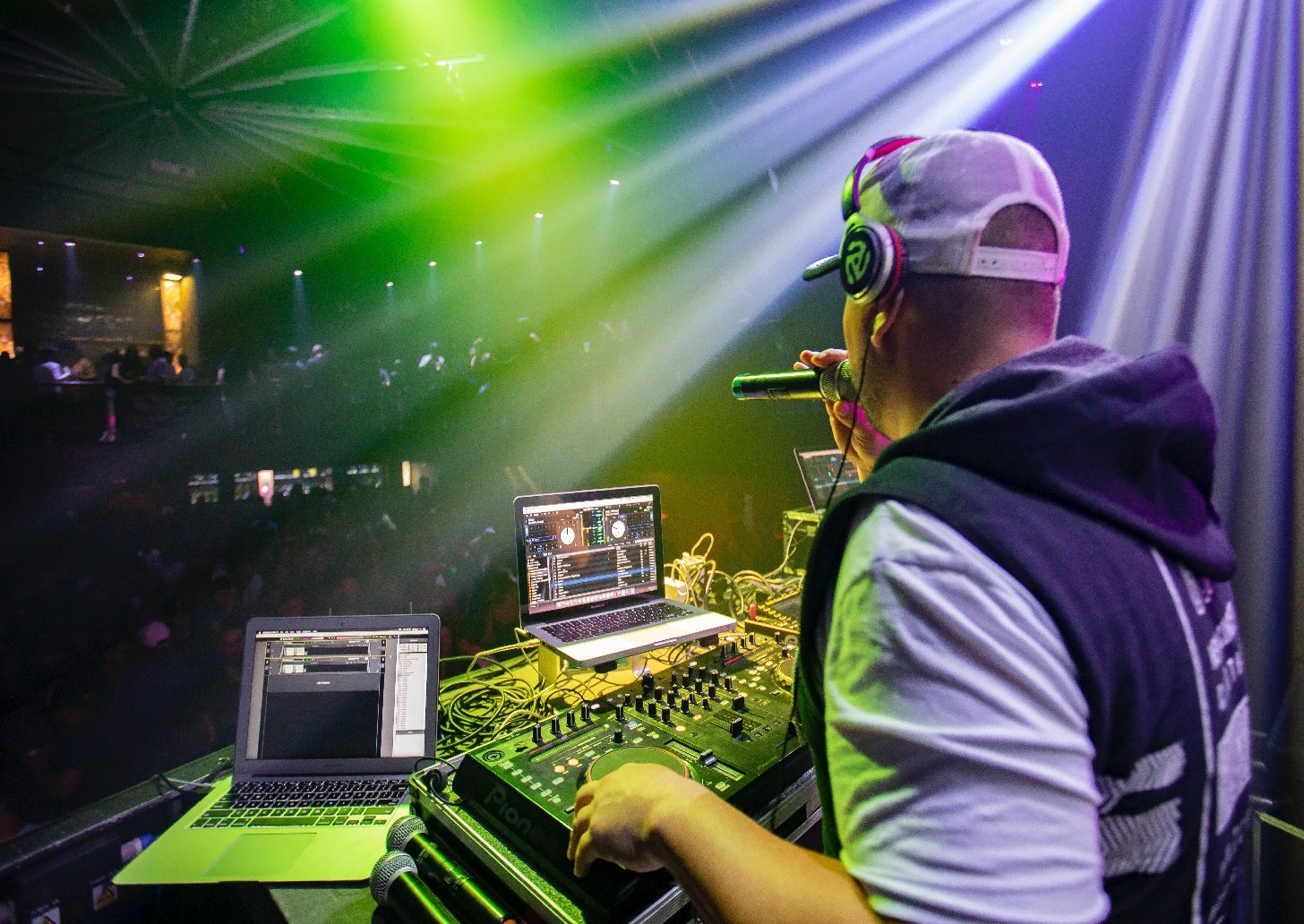
In today's digital age, our personal data has become more valuable than ever. From social media platforms to online shopping websites, our information is constantly being collected and used to improve user experiences and target advertisements. However, with the rise of artificial intelligence (AI) technologies, concerns about data privacy have escalated, especially in creative fields such as music. One emerging trend that has sparked debate is the use of AI algorithms to generate rap music. Sentiments AI, a cutting-edge technology that analyzes emotions and sentiments in text data, is being employed to create rap lyrics that resonate with audiences. While the concept of AI-generated music opens up exciting possibilities for artistic exploration and innovation, it also raises important questions about data privacy and ownership. One of the key concerns surrounding AI-generated rap music is the issue of consent and control over personal data. When users engage with AI platforms to create music, they may unknowingly share sensitive information that could be used for commercial purposes without their explicit permission. This lack of transparency and accountability raises ethical dilemmas about who ultimately owns the creative output and how data privacy rights are being upheld. Moreover, the use of AI in rap music raises questions about authenticity and human creativity. Can a computer program truly capture the raw emotion and storytelling prowess of a human rapper? While AI-generated lyrics may be technically proficient and catchy, they often lack the depth and personal touch that comes from lived experiences and genuine expression. As we embrace AI as a tool for artistic expression, it is essential to recognize the irreplaceable value of human creativity and individual voice. As we navigate the intersection of data privacy, AI technology, and rap music, it is crucial to engage in meaningful discussions about ethical practices and regulations. Artists, tech developers, and policymakers must collaborate to establish clear guidelines for data protection, consent protocols, and intellectual property rights in the realm of AI-generated music. By prioritizing transparency, accountability, and respect for user privacy, we can ensure that innovation in AI-enhanced rap music is harnessed responsibly and ethically. In conclusion, the fusion of data privacy concerns with AI technology in rap music exemplifies the complex landscape of the digital age. While AI offers unprecedented opportunities for creativity and collaboration, it also presents challenges that require careful navigation and thoughtful consideration. By fostering an ethical framework that prioritizes user rights and artistic integrity, we can harness the power of AI to enrich the music industry while upholding essential values of privacy and respect. To learn more, take a look at: https://www.albumd.com Explore expert opinions in https://www.mimidate.com Want a deeper understanding? https://www.keralachessyoutubers.com to Get more information at https://www.cotidiano.org Dropy by for a visit at https://www.topico.net
Leave a Comment:
SEARCH
Recent News
- Zurich, Switzerland is a vibrant city known for its rich cultural scene and diverse music offerings. One unique aspect of Zurich's music scene is the presence of Sudanese music, which has found a home in the city's melting pot of cultures.
- Visiting Zurich, Switzerland, can be an enriching experience for music lovers from all corners of the world. While the city may not be the first place that comes to mind when thinking about South African music, Zurich's diverse music scene offers a glimpse into the vibrant sounds of this African nation.
- Zurich, Switzerland is a vibrant city known for its stunning architecture, picturesque landscapes, and rich culture. One aspect of Zurich's cultural scene that often goes under the radar is its regional music. The city and its surrounding areas are home to a diverse range of musical styles, reflecting the multiculturalism and artistic diversity of the region.
- Zurich, Switzerland: Discovering the Vibrant Norwegian Music Scene
- Zurich, Switzerland: A Hub for Estonian Music
- YouTube Content Creation and Translation: Bringing Sudanese Music to a Global Audience
- YouTube has become a powerful platform for content creators to share their work with a global audience. One area that has seen significant growth in recent years is the creation and translation of South African music content on the platform. South Africa has a rich and diverse musical landscape, ranging from traditional to modern genres, and YouTube has provided a space for South African artists to showcase their talent to the world.
- YouTube has become a popular platform for content creators to showcase their talents to a global audience. One area of YouTube content creation that has been gaining traction is regional music. With the ability to reach viewers all around the world, YouTube offers a unique opportunity for musicians and artists to share their culture and music with a diverse audience.
READ MORE
5 months ago Category :

Zurich, Switzerland is a vibrant city known for its rich cultural scene and diverse music offerings. One unique aspect of Zurich's music scene is the presence of Sudanese music, which has found a home in the city's melting pot of cultures.
Read More →5 months ago Category :

Visiting Zurich, Switzerland, can be an enriching experience for music lovers from all corners of the world. While the city may not be the first place that comes to mind when thinking about South African music, Zurich's diverse music scene offers a glimpse into the vibrant sounds of this African nation.
Read More →5 months ago Category :

Zurich, Switzerland is a vibrant city known for its stunning architecture, picturesque landscapes, and rich culture. One aspect of Zurich's cultural scene that often goes under the radar is its regional music. The city and its surrounding areas are home to a diverse range of musical styles, reflecting the multiculturalism and artistic diversity of the region.
Read More →5 months ago Category :
