In recent years, data privacy has become a growing concern for individuals and organizations alike. With the increasing amount of personal information being shared online, the need to protect this data from potential breaches and misuse has never been more critical. One emerging technology that has the potential to revolutionize data privacy is blockchain.
Category : | Sub Category : Posted on 2024-10-05 22:25:23
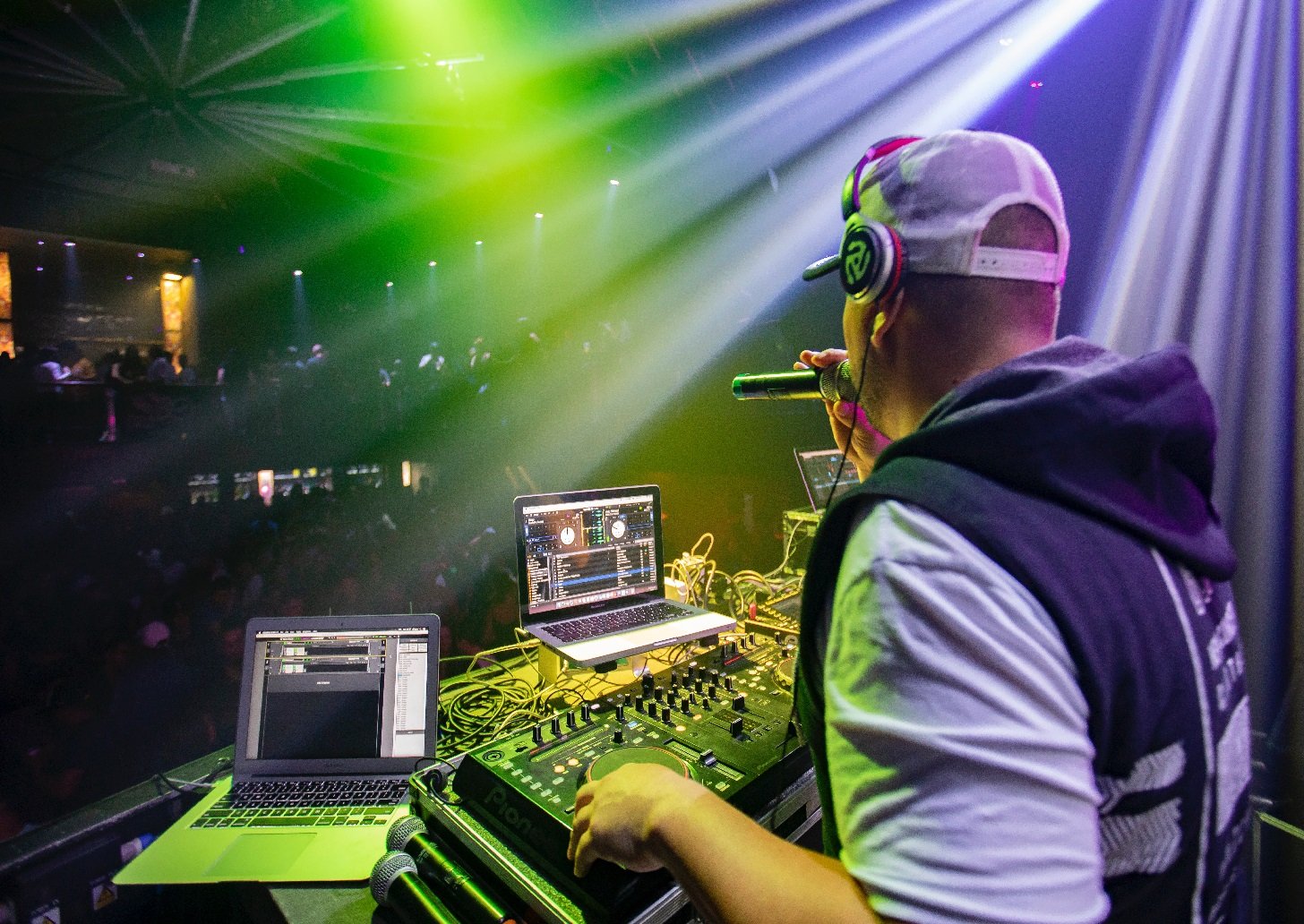
blockchain, the underlying technology behind cryptocurrencies like Bitcoin, is essentially a decentralized and secure way of recording transactions and data. By its very nature, blockchain ensures that data is stored in a way that is transparent, tamper-proof, and resistant to hacking. This makes it an excellent solution for securing sensitive information, such as personal and financial data. When it comes to data privacy, blockchain offers several key benefits. Firstly, it provides a decentralized platform where individuals have more control over their data. Rather than relying on a central authority to store and manage data, blockchain allows individuals to store their information securely on a network of computers, making it less vulnerable to cyberattacks. Additionally, blockchain technology utilizes encryption techniques to ensure the confidentiality of data. This means that even if a hacker were to gain access to the blockchain network, they would not be able to decipher the encrypted data without the appropriate keys. This adds an extra layer of security to sensitive information, such as financial records or medical histories. Moreover, blockchain can also help in verifying the authenticity of data, thus reducing the risk of data manipulation or fraud. Each transaction recorded on the blockchain network is time-stamped and linked to the previous transaction, creating an immutable record of data. This ensures that once data is entered into the blockchain, it cannot be altered without leaving a trace. While blockchain holds great promise for enhancing data privacy, its adoption is still in its early stages. As more industries begin to explore the potential applications of this technology, we can expect to see greater advancements in data security and privacy protection. Switching gears, let's talk about rap music. Rap music has long been a powerful form of artistic expression, often used to convey powerful messages about society, culture, and personal experiences. From its origins in African American communities in the 1970s to its global influence today, rap music has evolved into a diverse and influential genre. One of the defining characteristics of rap music is its use of intricate wordplay and rhythm. Rappers craft lyrics that are not only poetic but also deeply meaningful, tackling a wide range of topics from social justice issues to personal struggles. The rhythmic flow of rap lyrics, often accompanied by a catchy beat, makes it a compelling form of storytelling that resonates with audiences around the world. In addition to its lyrical prowess, rap music has also been a vehicle for social commentary and political activism. Many rappers use their platform to raise awareness about important issues, such as racism, inequality, and injustice. Through their music, they challenge the status quo and advocate for positive change in society. Furthermore, rap music has a unique ability to bridge cultural divides and bring people together. With its global reach and diverse appeal, rap has become a unifying force that transcends geographical boundaries and language barriers. Artists from different backgrounds and countries collaborate on music, creating a rich tapestry of sounds and perspectives that resonate with listeners of all ages and backgrounds. In conclusion, both blockchain technology and rap music are powerful forces that have the potential to shape the future in their respective fields. While blockchain offers a secure and transparent solution for data privacy, rap music serves as a form of artistic expression and social commentary. By embracing the innovative spirit of both technologies and art forms, we can create a more inclusive and secure world for generations to come. For a detailed analysis, explore: https://www.mimidate.com For a comprehensive overview, don't miss: https://www.keralachessyoutubers.com Get a comprehensive view with https://www.cotidiano.org To see the full details, click on: https://www.topico.net
Leave a Comment:
SEARCH
Recent News
- Zurich, Switzerland is a vibrant city known for its rich cultural scene and diverse music offerings. One unique aspect of Zurich's music scene is the presence of Sudanese music, which has found a home in the city's melting pot of cultures.
- Visiting Zurich, Switzerland, can be an enriching experience for music lovers from all corners of the world. While the city may not be the first place that comes to mind when thinking about South African music, Zurich's diverse music scene offers a glimpse into the vibrant sounds of this African nation.
- Zurich, Switzerland is a vibrant city known for its stunning architecture, picturesque landscapes, and rich culture. One aspect of Zurich's cultural scene that often goes under the radar is its regional music. The city and its surrounding areas are home to a diverse range of musical styles, reflecting the multiculturalism and artistic diversity of the region.
- Zurich, Switzerland: Discovering the Vibrant Norwegian Music Scene
- Zurich, Switzerland: A Hub for Estonian Music
- YouTube Content Creation and Translation: Bringing Sudanese Music to a Global Audience
- YouTube has become a powerful platform for content creators to share their work with a global audience. One area that has seen significant growth in recent years is the creation and translation of South African music content on the platform. South Africa has a rich and diverse musical landscape, ranging from traditional to modern genres, and YouTube has provided a space for South African artists to showcase their talent to the world.
- YouTube has become a popular platform for content creators to showcase their talents to a global audience. One area of YouTube content creation that has been gaining traction is regional music. With the ability to reach viewers all around the world, YouTube offers a unique opportunity for musicians and artists to share their culture and music with a diverse audience.
READ MORE
3 months ago Category :

Zurich, Switzerland is a vibrant city known for its rich cultural scene and diverse music offerings. One unique aspect of Zurich's music scene is the presence of Sudanese music, which has found a home in the city's melting pot of cultures.
Read More →3 months ago Category :

Visiting Zurich, Switzerland, can be an enriching experience for music lovers from all corners of the world. While the city may not be the first place that comes to mind when thinking about South African music, Zurich's diverse music scene offers a glimpse into the vibrant sounds of this African nation.
Read More →3 months ago Category :

Zurich, Switzerland is a vibrant city known for its stunning architecture, picturesque landscapes, and rich culture. One aspect of Zurich's cultural scene that often goes under the radar is its regional music. The city and its surrounding areas are home to a diverse range of musical styles, reflecting the multiculturalism and artistic diversity of the region.
Read More →3 months ago Category :
