Safeguarding Data Privacy in the Age of Artificial Intelligence in Rap Music Industry
Category : | Sub Category : Posted on 2024-10-05 22:25:23
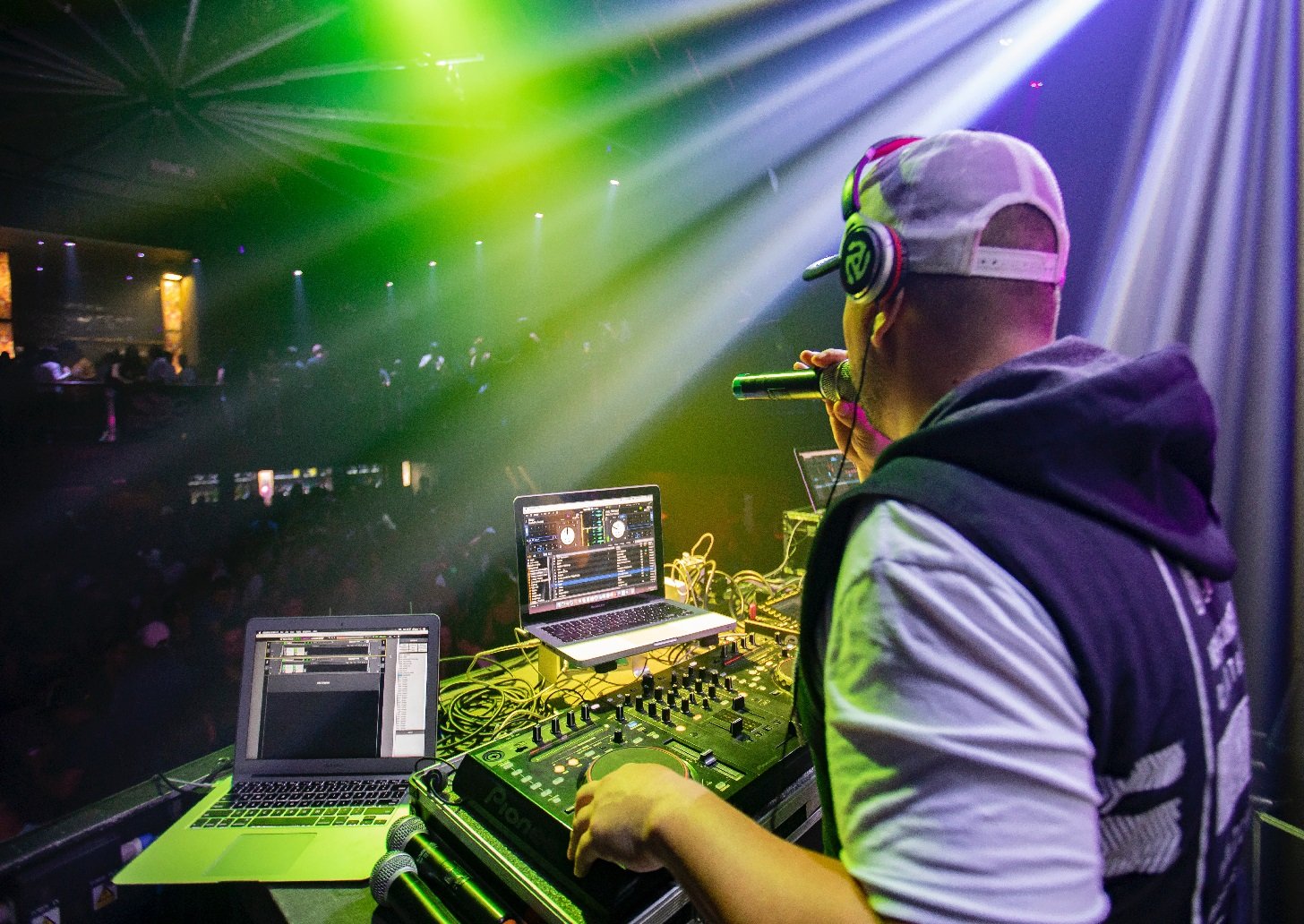
In today's digital age, data privacy has become a critical concern in various industries, including the music sector. With the rise of Artificial intelligence (AI) technology, the rap music industry is no exception when it comes to safeguarding sensitive information. As data plays a significant role in decision-making processes, artists, record labels, and streaming platforms must ensure that personal and proprietary data are protected from potential breaches and misuse. Artificial intelligence has revolutionized the way we consume music, from personalized recommendations on streaming platforms to algorithm-driven playlists tailored to individual preferences. While these advancements enhance the user experience, they also raise important questions about data privacy and security. For instance, AI algorithms collect vast amounts of data on users' listening habits, location, and demographic information to deliver targeted content. However, this data collection raises concerns about how this information is being stored, shared, and utilized by tech companies in the rap music industry. To address these challenges, stakeholders in the rap music industry must prioritize data privacy by implementing robust security measures and transparent data practices. For artists and record labels, this means establishing clear data management policies to govern how personal and creative information is handled throughout the production and distribution process. By creating secure data storage systems and limiting access to sensitive data, artists can protect their intellectual property and maintain control over their music catalog. Streaming platforms also play a crucial role in ensuring data privacy for users in the rap music industry. These platforms must invest in encryption technologies, secure servers, and data anonymization techniques to safeguard user information from unauthorized access. By obtaining user consent and providing transparent disclosures about data collection practices, streaming services can build trust with their audience and mitigate privacy risks associated with AI-driven algorithms. Moreover, regulatory compliance is essential for promoting data privacy in the rap music industry. Organizations must adhere to data protection laws such as the General Data Protection Regulation (GDPR) and the California Consumer Privacy Act (CCPA) to avoid legal repercussions and safeguard user rights. By conducting regular audits, risk assessments, and data impact assessments, companies can identify potential vulnerabilities in their data infrastructure and take proactive measures to enhance security. In conclusion, data privacy and artificial intelligence are intertwined in the evolution of the rap music industry. As technology continues to shape the way we create, distribute, and consume music, it is imperative to prioritize data protection measures to preserve the integrity and confidentiality of sensitive information. By promoting transparency, accountability, and digital ethics, stakeholders can navigate the complex landscape of AI-driven innovation while upholding the fundamental right to privacy in the digital age. For comprehensive coverage, check out https://www.qqhbo.com to Get more information at https://www.albumd.com To see the full details, click on: https://www.mimidate.com Find expert opinions in https://www.keralachessyoutubers.com You can also check following website for more information about this subject: https://www.cotidiano.org Don't miss more information at https://www.topico.net
Leave a Comment:
SEARCH
Recent News
- Zurich, Switzerland is a vibrant city known for its rich cultural scene and diverse music offerings. One unique aspect of Zurich's music scene is the presence of Sudanese music, which has found a home in the city's melting pot of cultures.
- Visiting Zurich, Switzerland, can be an enriching experience for music lovers from all corners of the world. While the city may not be the first place that comes to mind when thinking about South African music, Zurich's diverse music scene offers a glimpse into the vibrant sounds of this African nation.
- Zurich, Switzerland is a vibrant city known for its stunning architecture, picturesque landscapes, and rich culture. One aspect of Zurich's cultural scene that often goes under the radar is its regional music. The city and its surrounding areas are home to a diverse range of musical styles, reflecting the multiculturalism and artistic diversity of the region.
- Zurich, Switzerland: Discovering the Vibrant Norwegian Music Scene
- Zurich, Switzerland: A Hub for Estonian Music
- YouTube Content Creation and Translation: Bringing Sudanese Music to a Global Audience
- YouTube has become a powerful platform for content creators to share their work with a global audience. One area that has seen significant growth in recent years is the creation and translation of South African music content on the platform. South Africa has a rich and diverse musical landscape, ranging from traditional to modern genres, and YouTube has provided a space for South African artists to showcase their talent to the world.
- YouTube has become a popular platform for content creators to showcase their talents to a global audience. One area of YouTube content creation that has been gaining traction is regional music. With the ability to reach viewers all around the world, YouTube offers a unique opportunity for musicians and artists to share their culture and music with a diverse audience.
READ MORE
3 months ago Category :

Zurich, Switzerland is a vibrant city known for its rich cultural scene and diverse music offerings. One unique aspect of Zurich's music scene is the presence of Sudanese music, which has found a home in the city's melting pot of cultures.
Read More →3 months ago Category :

Visiting Zurich, Switzerland, can be an enriching experience for music lovers from all corners of the world. While the city may not be the first place that comes to mind when thinking about South African music, Zurich's diverse music scene offers a glimpse into the vibrant sounds of this African nation.
Read More →3 months ago Category :

Zurich, Switzerland is a vibrant city known for its stunning architecture, picturesque landscapes, and rich culture. One aspect of Zurich's cultural scene that often goes under the radar is its regional music. The city and its surrounding areas are home to a diverse range of musical styles, reflecting the multiculturalism and artistic diversity of the region.
Read More →3 months ago Category :
