The Role of Rap Music in Addressing Conflicts in History and Celebrating Cultures
Category : | Sub Category : Posted on 2024-10-05 22:25:23
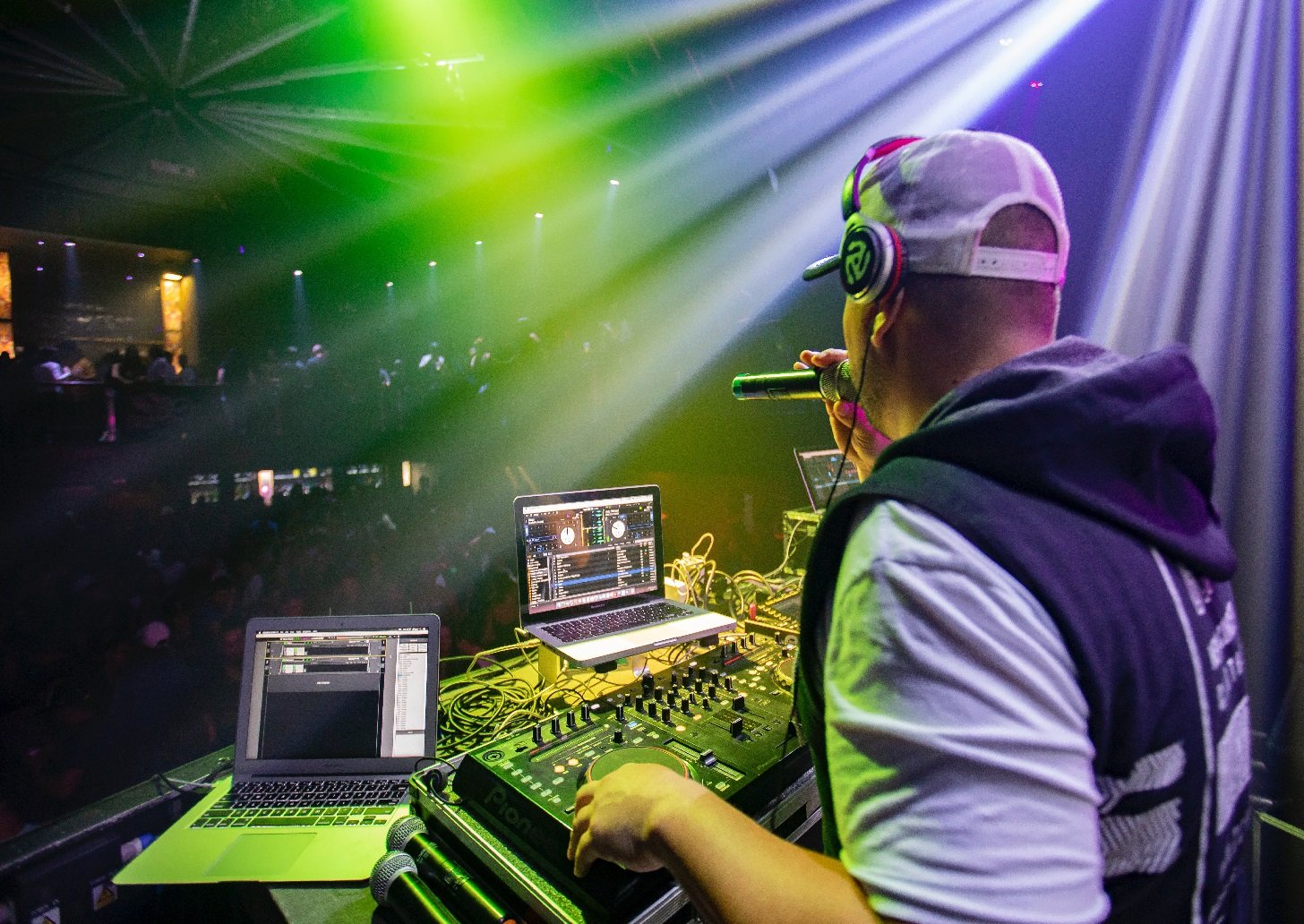
In recent years, rap music has emerged as a powerful tool for addressing conflicts in history and celebrating diverse cultures. This genre, characterized by its rhythmic beats and poignant lyrics, has provided a platform for artists to express their thoughts on past conflicts and advocate for social change. At the same time, rap music has become a means of celebrating the richness and diversity of cultures around the world. One of the notable aspects of rap music is its ability to shed light on historical conflicts and injustices. Artists often use their platform to narrate the struggles faced by marginalized communities and to draw attention to systemic issues that have perpetuated inequality and oppression. Through their lyrics, rappers can educate audiences about significant events in history, challenging mainstream narratives and offering alternative perspectives on complex issues. Rap music has also played a significant role in promoting cultural awareness and appreciation. Artists draw inspiration from their own cultural backgrounds and experiences, infusing their music with elements of their heritage. By incorporating traditional sounds, languages, and themes into their songs, rappers create a rich tapestry of musical expressions that reflect the diversity of global cultures. Furthermore, rap music has the power to bridge cultural divides and foster understanding between different communities. Collaborations between artists from diverse backgrounds bring together unique perspectives and create opportunities for cross-cultural exchange. Through their music, artists can break down stereotypes, challenge prejudices, and promote unity across cultural boundaries. In addition, rap music has been instrumental in empowering individuals to speak out against social injustices and advocate for change. By addressing sensitive topics such as racism, discrimination, and systemic oppression, rappers inspire listeners to reflect on their own beliefs and take action to create a more just and inclusive society. In conclusion, rap music serves as a dynamic platform for addressing conflicts in history and celebrating cultures around the world. Through their lyrics and beats, artists have the power to educate, unite, and inspire audiences to engage with the complexities of our shared past and present. As rap music continues to evolve, its role in shaping cultural narratives and promoting social change remains more vital than ever. To learn more, take a look at: https://www.keralachessyoutubers.com Explore expert opinions in https://www.cotidiano.org For an alternative viewpoint, explore https://www.topico.net
Leave a Comment:
SEARCH
Recent News
- Zurich, Switzerland is a vibrant city known for its rich cultural scene and diverse music offerings. One unique aspect of Zurich's music scene is the presence of Sudanese music, which has found a home in the city's melting pot of cultures.
- Visiting Zurich, Switzerland, can be an enriching experience for music lovers from all corners of the world. While the city may not be the first place that comes to mind when thinking about South African music, Zurich's diverse music scene offers a glimpse into the vibrant sounds of this African nation.
- Zurich, Switzerland is a vibrant city known for its stunning architecture, picturesque landscapes, and rich culture. One aspect of Zurich's cultural scene that often goes under the radar is its regional music. The city and its surrounding areas are home to a diverse range of musical styles, reflecting the multiculturalism and artistic diversity of the region.
- Zurich, Switzerland: Discovering the Vibrant Norwegian Music Scene
- Zurich, Switzerland: A Hub for Estonian Music
- YouTube Content Creation and Translation: Bringing Sudanese Music to a Global Audience
- YouTube has become a powerful platform for content creators to share their work with a global audience. One area that has seen significant growth in recent years is the creation and translation of South African music content on the platform. South Africa has a rich and diverse musical landscape, ranging from traditional to modern genres, and YouTube has provided a space for South African artists to showcase their talent to the world.
- YouTube has become a popular platform for content creators to showcase their talents to a global audience. One area of YouTube content creation that has been gaining traction is regional music. With the ability to reach viewers all around the world, YouTube offers a unique opportunity for musicians and artists to share their culture and music with a diverse audience.
READ MORE
3 months ago Category :

Zurich, Switzerland is a vibrant city known for its rich cultural scene and diverse music offerings. One unique aspect of Zurich's music scene is the presence of Sudanese music, which has found a home in the city's melting pot of cultures.
Read More →3 months ago Category :

Visiting Zurich, Switzerland, can be an enriching experience for music lovers from all corners of the world. While the city may not be the first place that comes to mind when thinking about South African music, Zurich's diverse music scene offers a glimpse into the vibrant sounds of this African nation.
Read More →3 months ago Category :

Zurich, Switzerland is a vibrant city known for its stunning architecture, picturesque landscapes, and rich culture. One aspect of Zurich's cultural scene that often goes under the radar is its regional music. The city and its surrounding areas are home to a diverse range of musical styles, reflecting the multiculturalism and artistic diversity of the region.
Read More →3 months ago Category :
