The Lens and Lyricism: Capturing Conflict Through Cameras and Rap Music
Category : | Sub Category : Posted on 2024-10-05 22:25:23
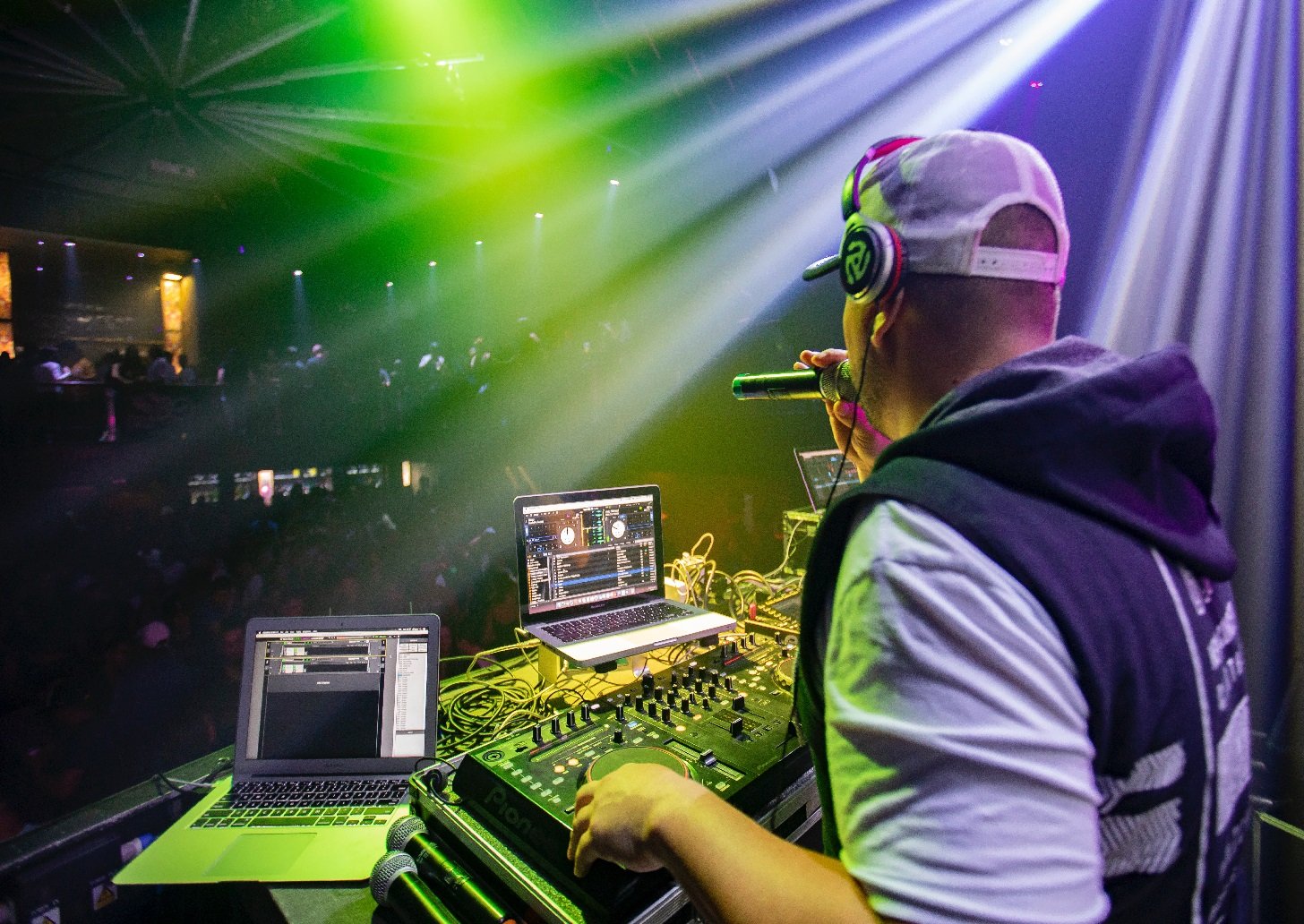
In the realm of artistic expression, the mediums of cameras and rap music have both been powerful tools used to convey raw emotions, capture poignant moments, and shed light on historical conflicts. While seemingly disparate, these two forms of expression share a common thread in their ability to document and narrate the complexities of human experiences. In this blog post, we will explore how cameras and rap music have intersected in storytelling and highlighting conflicts throughout history. Cameras, with their ability to freeze moments in time, have played a crucial role in documenting conflicts throughout history. From war photojournalism to street photography capturing social injustices, cameras have been wielded as weapons of truth, exposing the harsh realities of violence, oppression, and human suffering. Images captured by cameras have the power to evoke empathy, spark activism, and serve as visual records of important historical events. Similarly, rap music has been used as a platform for marginalized communities to voice their struggles, challenges, and resistance against oppression. Rooted in the African American experience, rap music has evolved into a global cultural phenomenon, with artists using lyricism to narrate stories of social inequality, racial discrimination, and political resistance. Through powerful rhymes and beats, rap music serves as a form of protest art, challenging power structures and amplifying the voices of those who have been silenced. The intersection of cameras and rap music has led to powerful storytelling collaborations that have shed light on forgotten histories and untold narratives. In recent years, music videos have become a visual medium for artists to bring their lyrics to life, incorporating cinematic techniques and visual metaphors to enhance the message of their music. Additionally, rap music has been sampled in documentaries and films to underscore the emotional weight and urgency of historical conflicts. One prominent example of this intersection is the use of music and visual storytelling in the documentary "13th" directed by Ava DuVernay. Through a combination of archival footage, interviews, and rap music, the documentary delves into the history of racial inequality in the United States, particularly the impact of the 13th Amendment and the mass incarceration of Black Americans. By blending historical context with contemporary rap music, "13th" creates a powerful narrative that resonates with audiences and inspires reflection and action. In conclusion, cameras and rap music serve as dynamic mediums that capture the complexities of conflicts in history. Whether through striking images or powerful lyrics, these forms of expression have the ability to provoke thought, evoke emotion, and inspire change. By embracing the intersection of cameras and rap music, storytellers can create impactful narratives that transcend boundaries and illuminate the shared experiences of humanity. Stay tuned for more insights on the intersection of art, culture, and history in future blog posts! sources: https://www.mimidate.com Dropy by for a visit at https://www.keralachessyoutubers.com To understand this better, read https://www.cotidiano.org Explore expert opinions in https://www.topico.net
Leave a Comment:
SEARCH
Recent News
- Zurich, Switzerland is a vibrant city known for its rich cultural scene and diverse music offerings. One unique aspect of Zurich's music scene is the presence of Sudanese music, which has found a home in the city's melting pot of cultures.
- Visiting Zurich, Switzerland, can be an enriching experience for music lovers from all corners of the world. While the city may not be the first place that comes to mind when thinking about South African music, Zurich's diverse music scene offers a glimpse into the vibrant sounds of this African nation.
- Zurich, Switzerland is a vibrant city known for its stunning architecture, picturesque landscapes, and rich culture. One aspect of Zurich's cultural scene that often goes under the radar is its regional music. The city and its surrounding areas are home to a diverse range of musical styles, reflecting the multiculturalism and artistic diversity of the region.
- Zurich, Switzerland: Discovering the Vibrant Norwegian Music Scene
- Zurich, Switzerland: A Hub for Estonian Music
- YouTube Content Creation and Translation: Bringing Sudanese Music to a Global Audience
- YouTube has become a powerful platform for content creators to share their work with a global audience. One area that has seen significant growth in recent years is the creation and translation of South African music content on the platform. South Africa has a rich and diverse musical landscape, ranging from traditional to modern genres, and YouTube has provided a space for South African artists to showcase their talent to the world.
- YouTube has become a popular platform for content creators to showcase their talents to a global audience. One area of YouTube content creation that has been gaining traction is regional music. With the ability to reach viewers all around the world, YouTube offers a unique opportunity for musicians and artists to share their culture and music with a diverse audience.
READ MORE
10 months ago Category :

Zurich, Switzerland is a vibrant city known for its rich cultural scene and diverse music offerings. One unique aspect of Zurich's music scene is the presence of Sudanese music, which has found a home in the city's melting pot of cultures.
Read More →10 months ago Category :

Visiting Zurich, Switzerland, can be an enriching experience for music lovers from all corners of the world. While the city may not be the first place that comes to mind when thinking about South African music, Zurich's diverse music scene offers a glimpse into the vibrant sounds of this African nation.
Read More →10 months ago Category :

Zurich, Switzerland is a vibrant city known for its stunning architecture, picturesque landscapes, and rich culture. One aspect of Zurich's cultural scene that often goes under the radar is its regional music. The city and its surrounding areas are home to a diverse range of musical styles, reflecting the multiculturalism and artistic diversity of the region.
Read More →10 months ago Category :
