Artificial Intelligence Impact on the Rap Music Industry and Employment Market
Category : | Sub Category : Posted on 2024-10-05 22:25:23
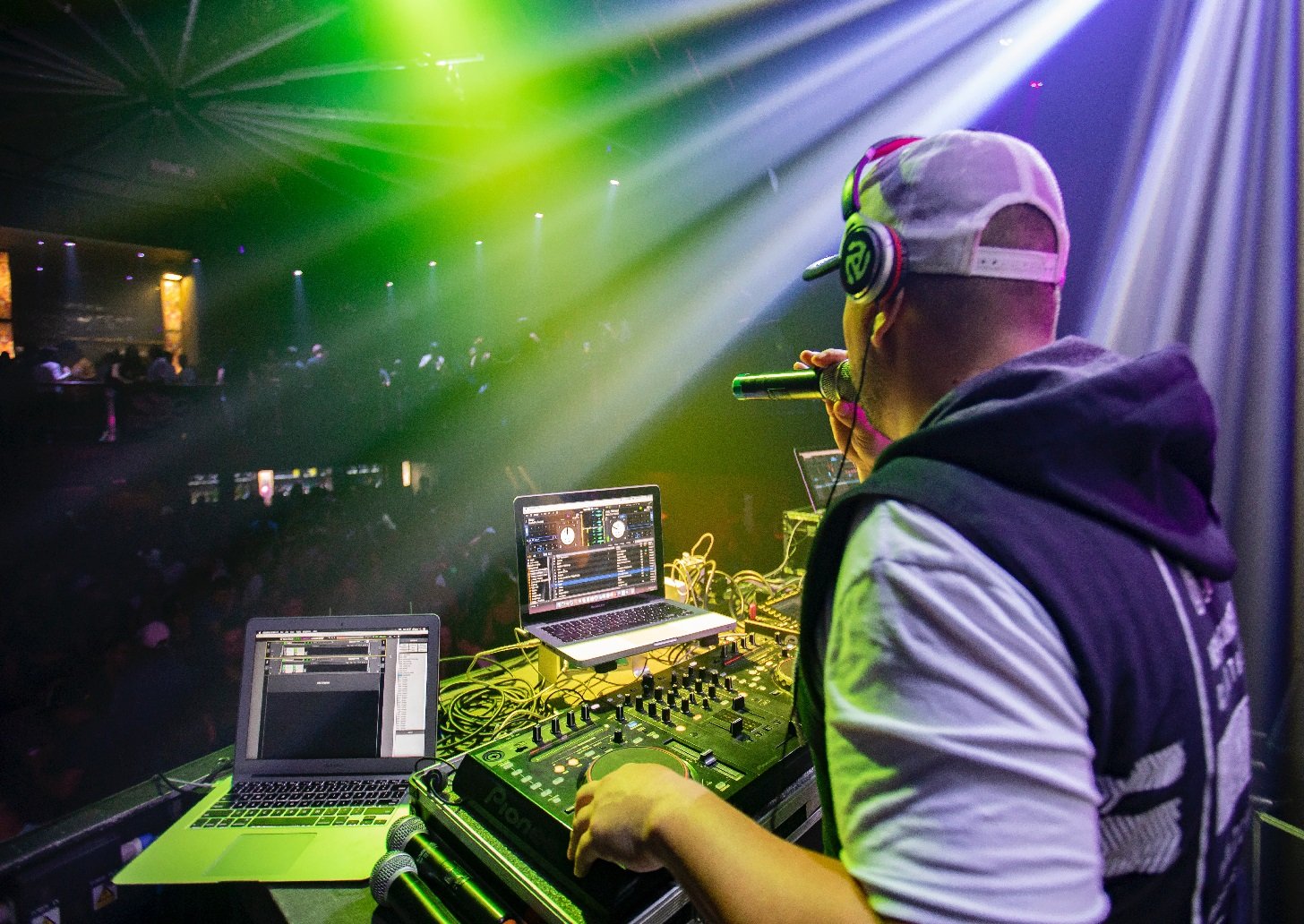
artificial intelligence (AI) has been making waves across various industries, from healthcare to finance, and now it is gradually permeating into the Music industry, including the world of rap music. As AI technology becomes more advanced, it is changing how music is produced, consumed, and even how artists interact with their fans. This shift in the landscape of the music industry has implications not only for artists but also for the job market as a whole. One of the most significant impacts of AI on the rap music industry is in the realm of music production. AI algorithms are now able to analyze vast amounts of data on music trends, artist preferences, and listener feedback to generate hit-worthy beats and melodies. This has simplified the music creation process for artists, enabling them to experiment with new sounds and styles more easily. With AI tools like Amper Music and IBM Watson Beat, artists can now access a treasure trove of musical possibilities at their fingertips, reducing their reliance on expensive studio sessions and producers. Furthermore, AI is also revolutionizing the way music is discovered and consumed by audiences. Streaming platforms like Spotify and Apple Music are leveraging AI algorithms to personalize music recommendations based on individual listening habits and preferences. This has enabled rap artists to reach a wider audience and connect with fans who have similar tastes in music. AI-powered music recommendation systems are not only changing how music is consumed but also shaping the dynamics of the music market by influencing what gets popular and what doesn't. In terms of employment opportunities, the integration of AI in the music industry is creating new roles and job markets. AI engineers, data scientists, and music technologists are in high demand as companies seek to develop cutting-edge AI tools for music production and distribution. Additionally, there is a growing need for professionals who can harness AI technology to enhance the fan experience through interactive concerts, virtual reality experiences, and personalized merchandise. However, as AI becomes more prevalent in the music industry, concerns about job displacement have also surfaced. Some fear that AI-powered tools could replace traditional roles in music production, such as session musicians and producers. While AI can streamline certain aspects of music creation, it cannot fully replicate the creative intuition and emotional depth that human artists bring to their craft. Therefore, there is still a place for human creativity and expertise in the music industry alongside AI technology. In conclusion, the integration of artificial intelligence in the rap music industry is reshaping how music is created, distributed, and consumed. While AI presents exciting opportunities for artists to explore new creative avenues and reach broader audiences, it also poses challenges in terms of job displacement and redefining traditional roles. By embracing AI technology while preserving the essence of human artistry, the rap music industry can continue to evolve and thrive in the digital age. For a deeper dive, visit: https://www.keralachessyoutubers.com Looking for more information? Check out https://www.cotidiano.org To find answers, navigate to https://www.topico.net
https://continuar.org
Leave a Comment:
SEARCH
Recent News
- Zurich, Switzerland is a vibrant city known for its rich cultural scene and diverse music offerings. One unique aspect of Zurich's music scene is the presence of Sudanese music, which has found a home in the city's melting pot of cultures.
- Visiting Zurich, Switzerland, can be an enriching experience for music lovers from all corners of the world. While the city may not be the first place that comes to mind when thinking about South African music, Zurich's diverse music scene offers a glimpse into the vibrant sounds of this African nation.
- Zurich, Switzerland is a vibrant city known for its stunning architecture, picturesque landscapes, and rich culture. One aspect of Zurich's cultural scene that often goes under the radar is its regional music. The city and its surrounding areas are home to a diverse range of musical styles, reflecting the multiculturalism and artistic diversity of the region.
- Zurich, Switzerland: Discovering the Vibrant Norwegian Music Scene
- Zurich, Switzerland: A Hub for Estonian Music
- YouTube Content Creation and Translation: Bringing Sudanese Music to a Global Audience
- YouTube has become a powerful platform for content creators to share their work with a global audience. One area that has seen significant growth in recent years is the creation and translation of South African music content on the platform. South Africa has a rich and diverse musical landscape, ranging from traditional to modern genres, and YouTube has provided a space for South African artists to showcase their talent to the world.
- YouTube has become a popular platform for content creators to showcase their talents to a global audience. One area of YouTube content creation that has been gaining traction is regional music. With the ability to reach viewers all around the world, YouTube offers a unique opportunity for musicians and artists to share their culture and music with a diverse audience.
READ MORE
10 months ago Category :

Zurich, Switzerland is a vibrant city known for its rich cultural scene and diverse music offerings. One unique aspect of Zurich's music scene is the presence of Sudanese music, which has found a home in the city's melting pot of cultures.
Read More →10 months ago Category :

Visiting Zurich, Switzerland, can be an enriching experience for music lovers from all corners of the world. While the city may not be the first place that comes to mind when thinking about South African music, Zurich's diverse music scene offers a glimpse into the vibrant sounds of this African nation.
Read More →10 months ago Category :

Zurich, Switzerland is a vibrant city known for its stunning architecture, picturesque landscapes, and rich culture. One aspect of Zurich's cultural scene that often goes under the radar is its regional music. The city and its surrounding areas are home to a diverse range of musical styles, reflecting the multiculturalism and artistic diversity of the region.
Read More →10 months ago Category :
