Unpacking the Rise of State-Paid Rap Music in Africa
Category : | Sub Category : Posted on 2024-10-05 22:25:23
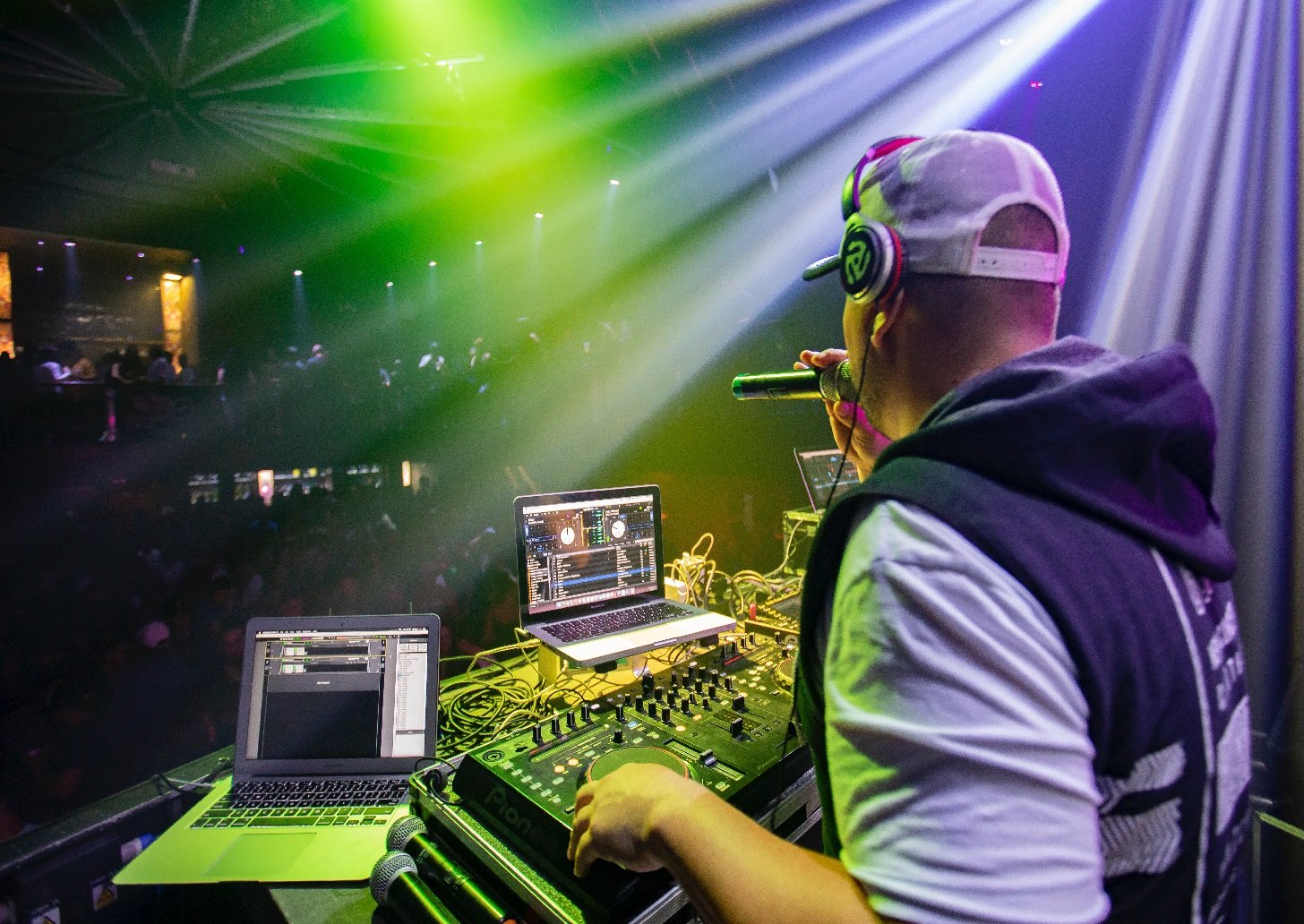
In recent years, a new trend has been emerging in the African music scene - state-paid rap music. This phenomenon sees governments in various African countries supporting and promoting rap artists as a means to advance their cultural agenda and foster national pride. This unique approach to hip-hop music highlights the intersection of art and politics on the continent. One of the key reasons behind the rise of state-paid rap music in Africa is the growing recognition of the genre as a powerful tool for social commentary and cultural expression. Rap music has long been celebrated for its ability to address pressing societal issues and give a voice to marginalized communities. By investing in rap artists, governments are leveraging the genre's popularity to convey important messages to the masses. Additionally, state-paid rap music programs serve as a platform for promoting national identity and unity. Through collaborations with local artists, governments are able to showcase the rich cultural heritage of their countries and celebrate diversity. This not only boosts the morale of citizens but also enhances the international image of African nations as vibrant hubs of artistic creativity. Furthermore, the financial support provided to rap artists by governments helps to professionalize the music industry and create more opportunities for emerging talent. By offering resources such as recording studios, promotion, and performance opportunities, state-funded programs enable artists to focus on their craft and reach a wider audience both locally and internationally. Despite the positive impact of state-paid rap music initiatives, there are also challenges and criticisms associated with government involvement in artistic endeavors. Some argue that this type of support can lead to censorship and control over artistic expression, limiting the authenticity and creativity of the music. It is important for governments to strike a balance between promoting national interests and upholding artistic freedom. Overall, the rise of state-paid rap music in Africa represents a dynamic evolution in the music industry, where art and politics intertwine to shape cultural narratives and empower artists. As this trend continues to gain momentum, it will be intriguing to see how rap music continues to serve as a vehicle for social change and national development across the continent. For an in-depth examination, refer to https://www.qqhbo.com If you are enthusiast, check this out https://www.albumd.com also for More in https://www.mimidate.com Curious to learn more? Click on https://www.keralachessyoutubers.com You can also Have a visit at https://www.cotidiano.org For the latest research, visit https://www.topico.net this link is for more information https://www.visit-kenya.com For additional information, refer to: https://www.tsonga.org For an extensive perspective, read https://www.tonigeria.com Check the link below: https://www.tocongo.com For more information about this: https://www.toalgeria.com For an in-depth examination, refer to https://www.savanne.org
Leave a Comment:
SEARCH
Recent News
- Zurich, Switzerland is a vibrant city known for its rich cultural scene and diverse music offerings. One unique aspect of Zurich's music scene is the presence of Sudanese music, which has found a home in the city's melting pot of cultures.
- Visiting Zurich, Switzerland, can be an enriching experience for music lovers from all corners of the world. While the city may not be the first place that comes to mind when thinking about South African music, Zurich's diverse music scene offers a glimpse into the vibrant sounds of this African nation.
- Zurich, Switzerland is a vibrant city known for its stunning architecture, picturesque landscapes, and rich culture. One aspect of Zurich's cultural scene that often goes under the radar is its regional music. The city and its surrounding areas are home to a diverse range of musical styles, reflecting the multiculturalism and artistic diversity of the region.
- Zurich, Switzerland: Discovering the Vibrant Norwegian Music Scene
- Zurich, Switzerland: A Hub for Estonian Music
- YouTube Content Creation and Translation: Bringing Sudanese Music to a Global Audience
- YouTube has become a powerful platform for content creators to share their work with a global audience. One area that has seen significant growth in recent years is the creation and translation of South African music content on the platform. South Africa has a rich and diverse musical landscape, ranging from traditional to modern genres, and YouTube has provided a space for South African artists to showcase their talent to the world.
- YouTube has become a popular platform for content creators to showcase their talents to a global audience. One area of YouTube content creation that has been gaining traction is regional music. With the ability to reach viewers all around the world, YouTube offers a unique opportunity for musicians and artists to share their culture and music with a diverse audience.
READ MORE
10 months ago Category :

Zurich, Switzerland is a vibrant city known for its rich cultural scene and diverse music offerings. One unique aspect of Zurich's music scene is the presence of Sudanese music, which has found a home in the city's melting pot of cultures.
Read More →10 months ago Category :

Visiting Zurich, Switzerland, can be an enriching experience for music lovers from all corners of the world. While the city may not be the first place that comes to mind when thinking about South African music, Zurich's diverse music scene offers a glimpse into the vibrant sounds of this African nation.
Read More →10 months ago Category :

Zurich, Switzerland is a vibrant city known for its stunning architecture, picturesque landscapes, and rich culture. One aspect of Zurich's cultural scene that often goes under the radar is its regional music. The city and its surrounding areas are home to a diverse range of musical styles, reflecting the multiculturalism and artistic diversity of the region.
Read More →10 months ago Category :
